- natasha@24hourplumbing.co.za
- Mon - Fri 7am - 6pm

Drain Camera Inspection
When to Get a Drain Survey
What Is Drain Camera Inspection
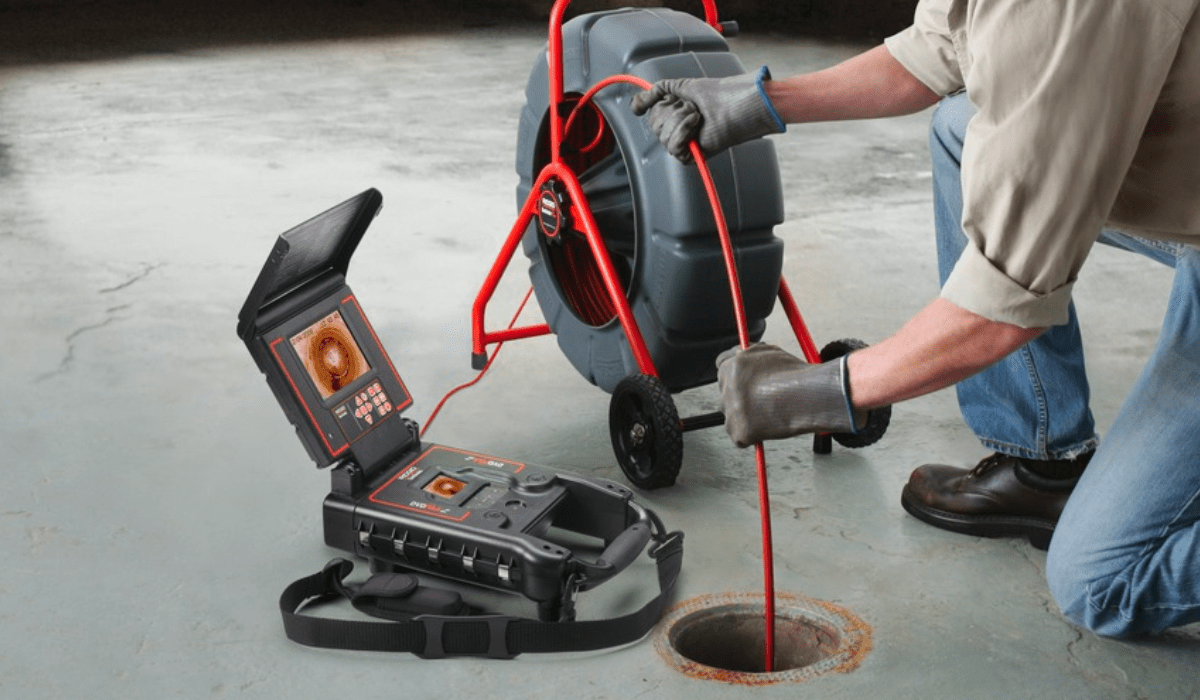
Drain camera inspection, often known as CCTV inspection, is a non-destructive process where a small, specialised camera is inserted into pipes, ducts, or other enclosed spaces to visually inspect their interior for issues like blockages, leaks, or damage. This technique allows for accurate diagnosis of problems without invasive digging or demolition, saving time and money.
Camera Inspection Services
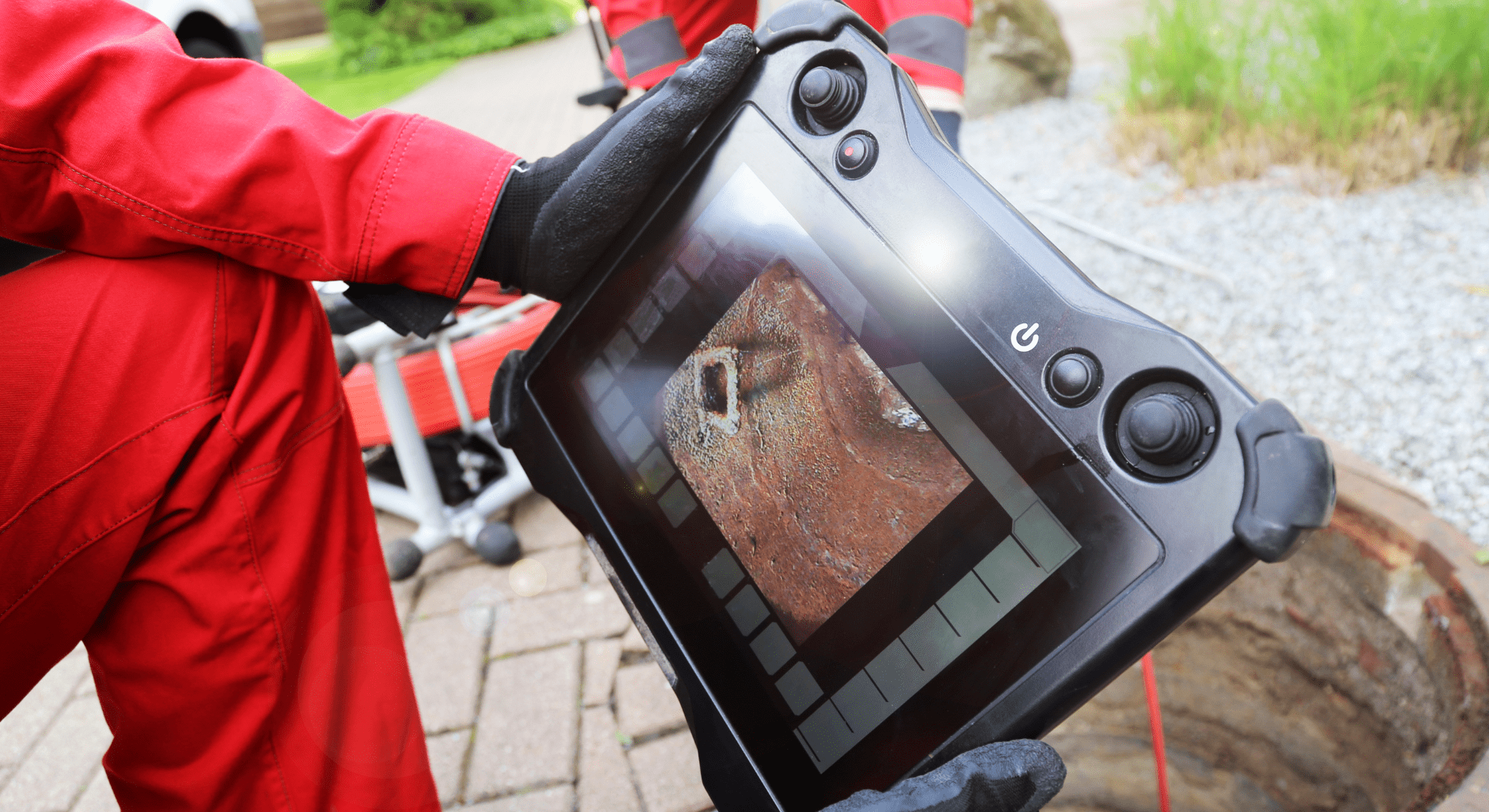
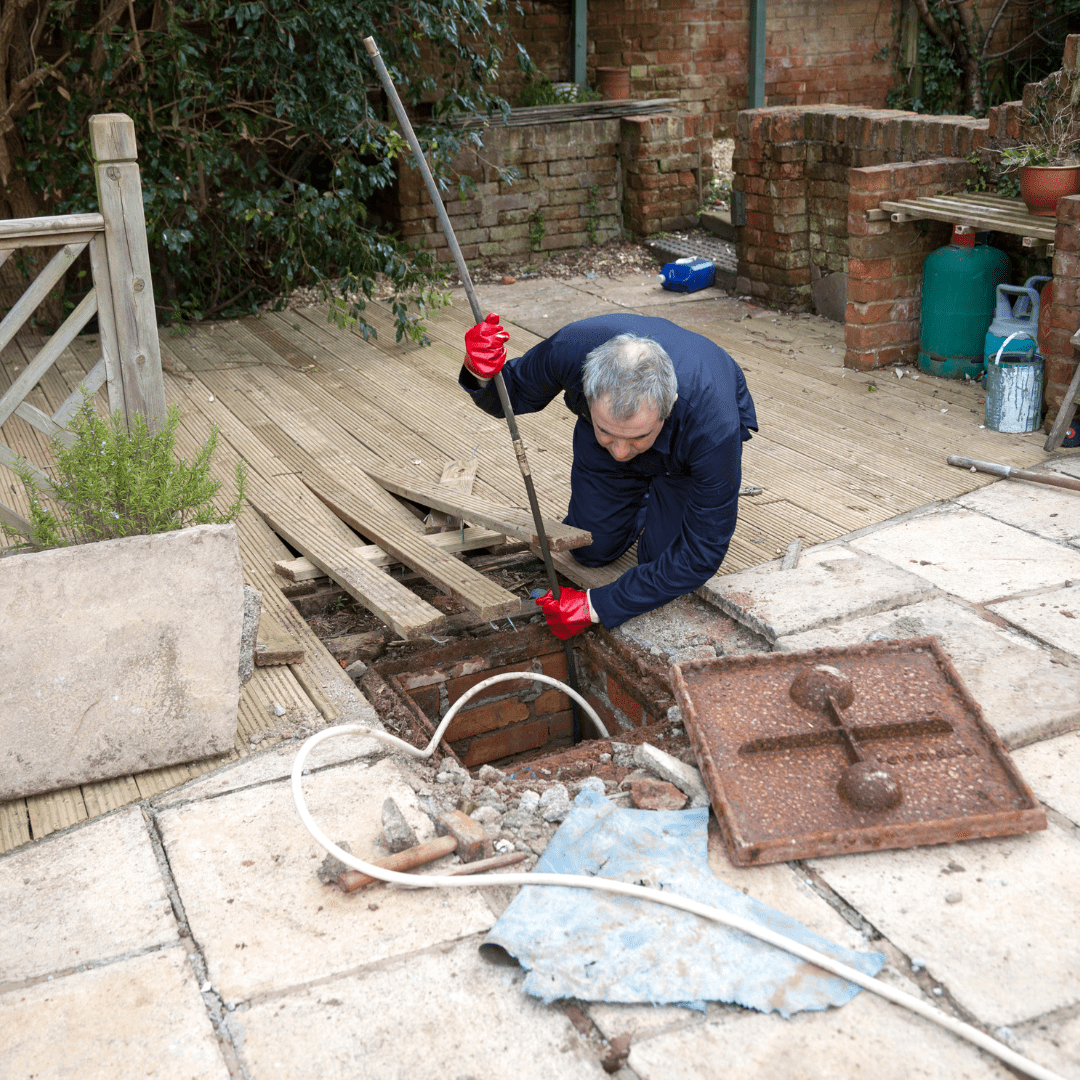
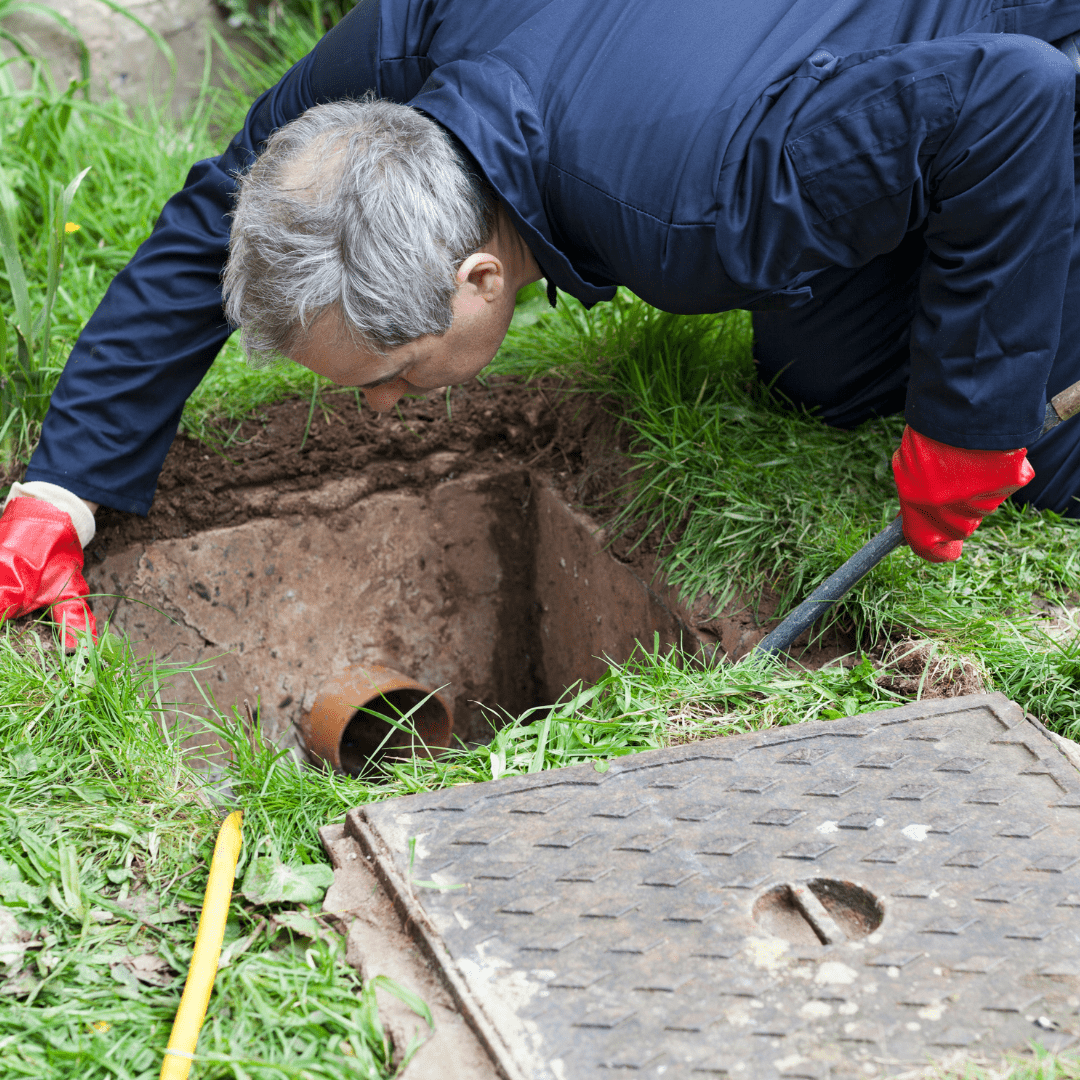
If you can smell foul odours, you have a blocked sink, flooded dishwasher or washing machine; it’s time to get a CCTV drain survey to identify the cause. A drain camera survey is an effective way to diagnose the problem without the need to dig holes or trenches. Our drainage plumbers can send a state of the art CCTV drain inspection camera into your drainage system to identify and locate blockages, leaks or spot if a collapsed drain repair is required. Using a drain camera survey, we will detail what the problem is, its cause, and where it’s located in the drain.
Why Do I Need a CCTV Drain Survey?
Drain camera surveys are a conclusive way to get to the bottom of drainage problems and can uncover potentially serious issues such as tree root ingress, blockages, structural damage or spot where collapsed drain repairs are required before the problem gets worse. The quicker a problem is identified, the less damaging the effects will be. With a drain camera inspection, our plumbers will get to the root of the problem and can recommend the most effective solution.
What to look for with camera inspections in drains
In a drain camera inspection, a plumber visually examines the inside of your pipes for a variety of problems using a specialised camera. Blockages, tree root intrusion, corrosion, cracks, and misaligned or collapsed pipes are among the frequently found issues. Leaks, oil accumulation, and other impediments can also be detected by the camera.
Here’s a more detailed breakdown of what to look for:
- Blockages and Obstructions:
• Foreign Objects: Look for any possible debris that may be blocking the flow, such as hair, grease, or foreign objects.
• Buildup: Locate any areas where there are significant amounts of grease buildup, as this can block the flow of water.
• Root Intrusion: Tree roots have the potential to clog and harm pipes.
• Cracked or Collapsed Pipes: Sections of pipe that have cracked or collapsed as a result of aging, shifting soil, or other circumstances may be visible to the camera.
• Misaligned Joints: Look for any spaces or irregularities in alignment between pipe segments, as these may result in leaks and obstructions.
• Corrosion: Look for indications of corrosion in metal pipes, as this can erode the pipe and cause leaks.
• Bellied or sagging pipes: These show where the pipe has lost its natural slope, which may cause pooling and sluggish drainage.
- Structural Damage:
• Cracks: Search for pipe cracks, as these could indicate issues with structure or system stress.
• Collapsed Pipes: Browse for pipe divides that have completely collapsed, blocking proper water flow.
• Misaligned Joints: Search for gaps or flaws in alignment between pipe segments, as these can result in leaks and blockages.
3. Other Issues:
•Leaks: Even in difficult-to-reach places, the camera can assist in locating leaks precisely.
• Animal Intrusion: Occasionally, cameras may pick up animal nests or other indications that an animal has gotten into the pipes.
• Bad Installation: Inadequate pipe slopes, connections, or other installation mistakes may be discovered during the inspection.
• Mineral Buildup: Locate regions where mineral deposits might be obstructing water flow.